

Last Updated: October 28, 2026
Quick Summary
Virtual counseling for anxiety removes common barriers to care, including travel, scheduling conflicts, and distance from a qualified therapist. Many people also feel more at ease speaking openly from a familiar space at home. Sessions can be video, phone, or a hybrid of formats, chosen with your therapist.
- Virtual counseling cuts down on commute-related triggers before a session.
- Sessions can fit a lunch break or a late evening schedule, making it easier to keep appointments.
- People far from a qualified therapist can still access care.
- Video, phone, and secure messaging are options, and you can choose the format that fits your anxiety.
- Prepare by testing your technology and choosing a private space with a door you can close.
Table of Contents
- Why More People Are Choosing Virtual Counseling for Anxiety
- How Online Therapy Works for Anxiety Care
- Convenience, Flexible Scheduling, and Access to Care
- Comfort, Reduced Stigma, and Feeling at Ease at Home
- Virtual Therapy Privacy: What to Know Before You Start
- Preparing for a Virtual Therapy Session
- When Virtual Counseling May Not Be Enough, and Your Next Step
- Frequently Asked Questions
Why More People Are Choosing Virtual Counseling for Anxiety
Anxiety is one of the most common reasons people seek mental health support, and more of them are turning to virtual counseling to get it. A 2025 study published in Frontiers in Psychiatry found that 91.52% of therapists identified advantages of online therapy, while 87.10% also identified disadvantages (Frontiers in Psychiatry study on therapists’ views of online psychotherapy). That balance matters. Virtual counseling is not right for everyone, but for many people with anxiety it removes obstacles that keep them from getting help at all.
At Brown & Williams Psychotherapy, PLLC, we provide virtual psychotherapy for New York residents who want support for anxiety, depression, trauma, relationships, and life transitions. This guide explains the benefits of virtual counseling for anxiety, how it works, what privacy looks like, and when it may not be enough.
How Online Therapy Works for Anxiety Care
Many people with anxiety find that the format itself helps. Sessions happen in a familiar space, and there is no commute to dread beforehand. You can start from home, your car, or another private place where you feel safe.
Convenience, Flexible Scheduling, and Access to Care
Convenience is one of the most commonly cited advantages of online counseling. Participants in one study described accessibility and reductions in time, money, and distance as key benefits, while also noting drawbacks (Study evaluating online counseling through the working alliance(https://pmc.ncbi.nlm.nih.gov/articles/PMC10888081/)).
For people with anxiety, those savings add up. Less travel means fewer triggers before a session, and a session that fits a lunch break or a late evening schedule is easier to keep. Virtual care also helps people who live far from a qualified therapist. If you are comparing options across New York, our guide to virtual therapy in New York explains what to expect. If you are weighing a broader range of support, you can also explore all of our therapy services.
The article points to a few concrete ways virtual counseling reduces everyday barriers to care.
| Benefit | What the article says | Why it matters for anxiety |
|---|---|---|
| Less travel | Fewer commute-related triggers before a session | Reduces pre-session stress |
| Flexible timing | Sessions fit a lunch break or late evening | Makes it easier to keep appointments |
| Wider reach | Helps people far from a qualified therapist | Expands access to care |
| Cost and distance savings | Reduces time, money, and distance | Makes ongoing care more sustainable |
Comfort, Reduced Stigma, and Feeling at Ease at Home
Many people with anxiety feel uneasy about being seen entering a therapist’s office, worrying about running into someone they know, being asked where they are going, or simply being observed. Virtual counseling can lower that barrier. Being at home, in a space you control, often makes it easier to speak openly.
Matching the Format to Your Anxiety
One advantage of virtual care that general articles rarely explain is that you can choose a session format that fits how your anxiety shows up. The right format is a clinical decision you make with your therapist, but it helps to know the options:
- Video sessions are the closest match to in-person therapy and work well for most people. They let your therapist read facial expressions and body language, which can be useful when anxiety shows up physically, tight shoulders, shallow breathing, restlessness.
- Phone sessions can suit people whose anxiety centers on being seen or evaluated, or who find video draining. The trade-off is that your therapist loses visual cues, so phone tends to work best once you have an established relationship.
- Secure messaging can help with social anxiety or with capturing anxious thoughts as they happen between sessions. It is generally a supplement to live sessions rather than a replacement, since real-time practice is where much of the change happens.
- Hybrid approaches, mixing video, phone, and occasional in-person visits, can give you flexibility during flare-ups or busy seasons without pausing care.
Comfort does not guarantee progress, and it does not replace clinical judgment. The same study that highlighted accessibility also found that effectiveness may depend on factors including trust, willingness to participate in teletherapy, age, and gender (Comparing the effectiveness of online therapy versus in-person therapy(https://pmc.ncbi.nlm.nih.gov/articles/PMC12772077/)). That is why the relationship with your therapist matters so much, and why it is worth telling your therapist what feels comfortable and what does not.
Schedule a Free Consultation →
If you are unsure which format suits you, ask during a consultation. Brown & Williams provides virtual psychotherapy.
Virtual Therapy Privacy: What to Know Before You Start
Privacy at home depends partly on you. Choose a room with a door, use headphones if others are nearby, and check that your Wi-Fi connection is stable. Tell your therapist if you feel someone might overhear. Clear expectations at the start protect both of you.
Preparing for a Virtual Therapy Session
A little preparation makes a first virtual session smoother, and for people with anxiety, preparation can also quiet the anticipatory worry that builds beforehand. Here is a practical way to get ready.
A Few Days Before
- Test your technology. Open the platform your therapist uses, check your camera and microphone, and confirm your internet connection is stable. If you can, do a quick test call with a friend on the same app.
- Choose your private space. Pick a room with a door you can close. If others are home, let them know you will be unavailable for the length of the session. Headphones help keep the conversation private and cut down on background noise.
- Write down your goals. Jot down what you most want to work on, specific anxiety symptoms, situations you have been avoiding, or patterns you have noticed. A short list keeps the session focused and gives you and your therapist a shared starting point.
The Day Of
- Plan a buffer. Give yourself ten or fifteen minutes before the session to settle in. Rushing in can spike anxiety right when you want to be calm.
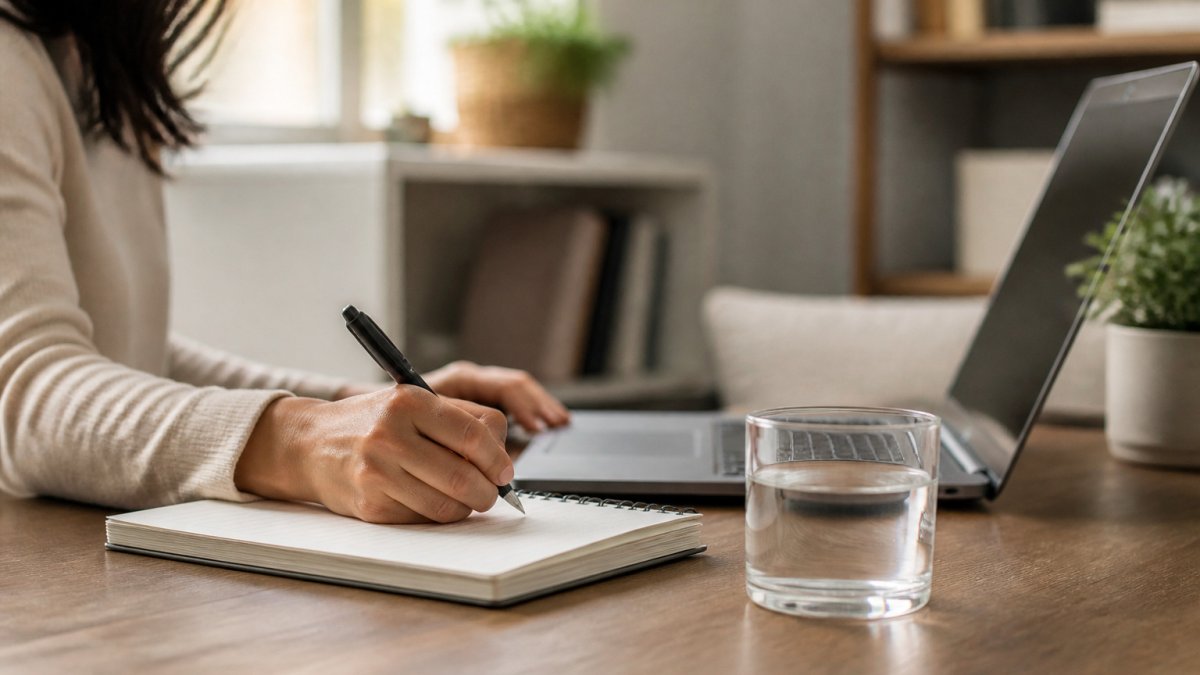
- Have water and a notepad nearby. You may want to jot down a thought you do not want to lose, or a question for next time.
- Do a brief grounding exercise. A few slow breaths or a short walk can take the edge off pre-session nerves. It is normal to feel anxious before therapy, especially the first time.
- Note what you have tried. Bring a quick summary of coping strategies you have used, what helped, and what did not. This saves time and helps your therapist tailor the approach.
Questions Worth Asking
Our guide on how to find an anxiety therapist in New York covers the questions worth asking before you book.
Preparation is not about being perfect, it is about removing small obstacles so you can focus on the conversation. If anticipatory anxiety is high, tell your therapist. That is useful clinical information, not a failure.
When Virtual Counseling May Not Be Enough, and Your Next Step
Virtual counseling works well for many people, but it is not always the right fit.
If you are dealing with a painful past experience that still weighs on your daily life, our trauma therapy support may be worth considering. You can also schedule a free consultation.
Frequently Asked Questions
Can virtual counseling help with anxiety?
Many people find virtual counseling helpful for anxiety. Research on online therapy describes it as a flexible and widely available option. Results depend on the person, their comfort with technology, and their trust in the therapeutic relationship. A consultation can help you decide whether virtual care fits your needs.
Is virtual therapy as effective as in-person therapy for anxiety?
Virtual care is not necessarily the right fit for every person or situation, so it is worth discussing your concerns with a therapist.
How do I prepare for an online therapy session?
Choose a private, quiet space where you will not be interrupted, and test your internet connection, camera, and microphone before your appointment. Have a glass of water nearby and keep a notepad if you want to jot down thoughts or questions. Think about what you would like to focus on, such as recent anxious moments or goals for therapy. Many people find it helpful to arrive a few minutes early.
How do I find an online therapist for anxiety?
You can contact Brown & Williams Psychotherapy PLLC to ask about virtual individual therapy. Choosing a therapist you feel comfortable with is an important part of the process.
Anxiety can make everyday life feel heavier than it should. If you are ready to talk with someone, schedule a consultation with Brown & Williams Psychotherapy, PLLC to explore whether virtual counseling is a good fit for you.

Lovely read here, thanks
Thank you